













Logo

Betriot App For Users In Italy

2026 Analysis for adult users in Italy: mobile access, account, games, payments and limits reviewed more methodically.

Fortune Gems 2 Slot

Table of Contents

  • The Dog House Megaways Slot
  • Lucky Joker 10 Extra Gifts Slot
  • Sword of Ares Slot
  • Floating Dragon Hold & Spin Slot
  • Leprechaun Riches Slot
  • Fruit Cocktail Slot
  • The Dog House Megaways Slot
  • Sword of Ares Slot
  • Fruit Million Slot
  • The Dog House Megaways Slot
  • Big Fisherman Slot
  • Big Fisherman Slot
  • Seven Books Unlimited Slot
  • Betriot Fortune Slot
  • Sword of Ares Slot
  • Floating Dragon Hold & Spin Slot
  • 9 Mad Hats Slot
  • Floating Dragon Hold & Spin Slot
  • Big Bass Splash Slot

How To Evaluate Betriot App In 2026

When it comes to mobile experience, the point isn't just to see if a platform looks fast. The real point is to understand what kind of behavior it encourages. On the Italian site of BetRiot, sections dedicated to casino, sports betting, promotions, payments, and responsible gaming appear, suggesting an environment designed for fairly complete use even from mobile devices.
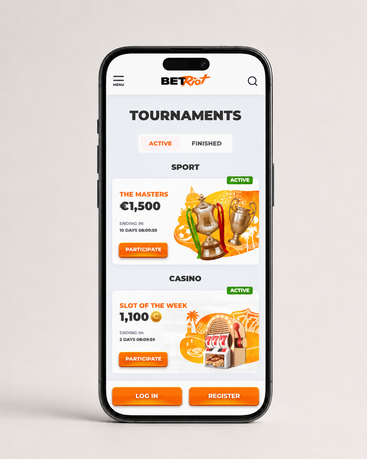
App 1

Imagine a normal evening, after work, with less than an hour free and your phone already in hand. At that moment, you don't need a platform that just looks brilliant or full of options. You need a readable structure. Where the profile is, how to reach the balance, if the menu is clear, and if the essential steps are understood without having to chase buttons across multiple screens. If this foundation works, the session starts better. If it doesn't work, you start improvising even before the first euro.

Many users confuse speed with quality. In reality, when everything is immediate, the player must become even more intentional. A good mobile experience is not one that takes you everywhere in a few taps. It's one that lets you understand what you're doing while you're doing it. This difference seems small, but it often sets the tone for the entire session.

What To Look At Before Really Starting

Before even thinking about money, it's worth checking the orientation. Understanding where the account, cashier, games, and support are. Imagine logging in during a short break, perhaps while notifications and messages are coming in. If you don't understand the path in a few seconds, the platform is already dictating the pace for you.

The most cautious users do something very simple: they don't open their wallet right away. They look first. This small delay doesn't slow down the session, it clarifies it. And in a mobile environment, initial clarification is worth more than it seems, because it reduces errors made in haste and lowers the risk of starting with too impulsive energy.

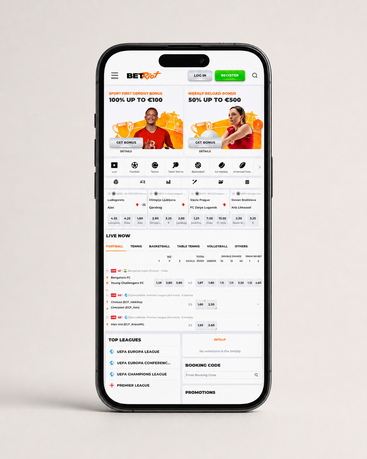
application 2

Registration, Account And First Budget

The registration phase should be straightforward, but not rushed. A well-opened account doesn't make news, but it avoids many problems. Entering the data, rereading it once, and moving on only when everything appears consistent is still the cleanest way to start. Many treat this phase as a technical obstacle before the "real" part. Then they discover that a poorly written detail weighs more precisely when the session is already in motion.

Imagine creating your profile from your phone while doing something else. A hastily typed name, a careless date, or a detail inconsistent with the payment method might seem trivial. They usually don't block anything immediately. They resurface later, when the player wants to move quickly and smoothly. And at that point, the mistake weighs twice as much.

Even the initial budget should be decided before reaching the cashier. The useful question is not just how much you can deposit, but how much truly belongs to that session. Not to the entire weekend, not to a vague idea of entertainment, but to that precise moment. More organized users often mentally divide money into three blocks: the one for the session, the one for daily life, and the one they don't want to touch. It's not a sophisticated technique. It's a very practical barrier against impulsive recharging.

Mobile Pace And Session Choices

On the phone, everything changes: time seems shorter, the balance seems less heavy, and screen changes seem harmless. This is precisely the delicate point. Mobile is not just a reduced version of the desktop. It's a different context, with more speed and less distance between a thought and an action.

App 3

Imagine logging in for five minutes, just to look at two games or see if you feel like staying. In such a context, it's very easy to turn a quick curiosity into a real session without having truly decided. Every click seems small, but together those clicks change the tone of the evening. That's why many adult users treat the phone as an environment that requires stricter rules, not softer ones.

A simple rule helps a lot: decide the type of session before the title. Do you want something light and short? Then choose a format that doesn't require too much attention. Do you want a more active session? Then reduce time or amount. This order seems trivial, but it prevents the catalog from dictating the path.

How To Understand If You Are Going Too Fast

The clearest signal is almost always the same: you switch often without really reading what you are doing. Imagine opening a section, immediately moving to another, returning to the balance, then to the games, then back to the menu. At that moment, you are no longer choosing. You are reacting.

Many cautious players correct this behavior with a small practical limit: few titles, little movement between sections, and checking the balance at precise moments. It's not a renunciation of freedom. It's a form of order that makes the emotional part of the session more readable.

When To Stop Before Expected

Stopping the pace doesn't mean you've had a bad session. Sometimes it means you've read it well. Imagine that the chosen format seems faster than expected or requires more attention than you actually have that evening. Continuing just because you've already started rarely improves the situation.

The most attentive users accept a simple thing: a session can be interrupted even earlier than you thought, if the context no longer holds up. This attitude avoids many choices made solely out of stubbornness or the feeling of having to "give a chance" to something that isn't working.

Payments, Cashier And Closing The Evening

The payment section should not be seen only as an entry point. The closing also goes through it. On the Italian site of BetRiot, references to payment methods and a specific area dedicated to the cashier are visible, as well as indications of responsible gaming and access to support contacts. This makes it clear that money management is not a side function, but a structural part of the user journey.

Imagine an evening that goes better than expected. The balance rises, and the classic thought appears: just a little more, then I'll close. If there's no pre-set exit rule, that "then" easily shifts. It is precisely at this stage that the platform stops being just a technical environment and becomes a test of personal structure. Those who arrive here without a defined criterion tend to treat closing as an emotion, not a decision.

Many players find it better when they consider the cashier as an area to enter with a purpose and leave as soon as that action is completed. If, instead, you enter and exit it continuously, the money stops being a clear variable and becomes a response to the tone of the session.

Area To Check

What Is Worth Doing

Why It's Useful

Profile Data

Verify Them Before Using The Cashier

Reduces Errors And Corrections Afterwards

Initial Amount

Link It To A Specific Session

Avoids More Flexible Spending Than Expected

Payment Method

Choose An Option Already Understood

Limits Doubts During Operation

Exit Rule

Decide It Before Playing

Helps To Close Without Negotiation

Support

Write Clearly And Completely

Reduces Confusion And Repeated Attempts

The table is not meant to make the game cold. It's meant to remove confusion. When these areas are already thought out, the financial journey truly lightens up. Not because everything becomes automatic, but because it stops depending too much on the mood of the moment.

How to Avoid Mistakes in the Cashier

The most common mistake is not a single wrong click. It's entering the cashier without a clear decision. Imagine opening it several times in the same session just because the mood of the evening is changing. At that point, the wallet is no longer a technical tool. It's becoming an emotional response.

Many cautious users give themselves a very simple rule: the cashier is opened when it's really needed, not every time the balance changes or the mood shifts. This small constraint greatly reduces disorder.

When to Consider Closing

Many people think about exiting only at the end. In practice, it's too late. Imagine reaching a good point in the session and deciding right there what to do. If the criterion hasn't existed beforehand, adrenaline or frustration can become stronger than the plan.

For this reason, it's advisable to include closing in the initial phase. Not as a random final gesture, but as part of the structure. When the exit is planned, the balance becomes a manageable variable again and not a lever that drags the session beyond expectations.

Games, Catalog, and Format Selection

A large catalog is not automatically good news. It only becomes so if it helps to choose without scattering attention. On the Italian site of BetRiot, you can see categories that include slots, live games, instant games, jackpots, and new or popular sections, which suggests an environment rich in possible directions. Precisely for this reason, an overly open initial selection risks complicating the session rather than enriching it.

Imagine an evening when you have little mental energy but still want to play a bit. If you start with a format that is too intense or too fast, you can get tired before you have fun. On another evening, with more patience, the same choice might work well. The best decision doesn't come from the question 'what is the best game?', but from the question 'what pace can I sustain today without losing clarity?'.

Many adults find it useful to choose the tone of the session first and then the title. If they are looking for something simple, they reduce the complexity. If they want a more intense experience, they shorten the time or budget. This order prevents the catalog from becoming a source of distraction.

How to Tell If You're Changing Too Much

You usually realize it from something very simple: no game stays open long enough to really show you its rhythm. Imagine opening a title, leaving it almost immediately, trying another, and repeating this pattern several times. At that point, you're not comparing well. You're just chasing stimuli.

A good corrective is to limit the number of games to try at the beginning and stay with each long enough to understand if the problem is the title or your mental state. This reduction is not a renunciation. It's a way to better read the session.

Why the Catalog Should Be Used Intentionally

When a site offers many different categories, promotions, and sections, the feeling can be that you can always find 'something better' right after. Imagine a session where you keep thinking that the next game will be more suitable, simpler, or luckier. In that case, the problem is not the single choice, but the logic with which you are changing.

Using the catalog intentionally means accepting a small perimeter at the beginning. Few options, little noise, more time to truly read what's happening. Usually, this is the cleanest way to protect both your balance and your attention.

Personal Control, Break, and Method

Platforms can offer tools, clear menus, support, and well-built categories. But the decisive point always remains the user's method. If the person enters without a perimeter, even an orderly environment risks becoming more distracting than expected. If, on the other hand, they arrive with a budget, time, and exit point already defined, many parts of the journey become immediately more manageable.

Imagine a tiring week. You open your phone not because you planned a calm session, but to disconnect a bit. It is precisely in this context that a pre-set rule is worth more than a good intention. If you already know how much you want to spend, how long you want to stay, and what will trigger the end, the platform stops pushing you on its own.

For adult users in Italy, the most useful idea remains very simple: keep gambling separate from daily money and treat mobile access as a convenience to be managed, not as a constant invitation. This distinction may seem trivial, but it protects a lot.

How to Use a Break Without Waiting for a Problem

Many users activate a break or interrupt a session only when they feel they have already lost control. In reality, these tools work much better beforehand. Imagine noticing that you are returning too often, that you are always extending the time a bit, or that the game is starting to mix with fatigue and nervousness. Stopping there is much more useful than waiting.

The break serves precisely this purpose: to break the rhythm while it is still manageable. It's not an extreme gesture. It's a practical form of order.

FAQ

The most useful way is to decide the amount, time, and exit rule beforehand. Many users do the opposite: they enter, look at the catalog, go through the cashier, and only then try to build a limit. Usually, this sequence produces more corrections and less clarity. When the perimeter already exists, however, each subsequent step requires less mental energy.

You should check your profile, the context you are entering, and the goal of the session. If you don't yet know how much you want to use or how long you want to stay, it's probably not the right time to open the cashier. The first deposit works best when it concludes a clear preparation, not when it starts a chain of improvised decisions.

You know when no title stays open long enough to show you its rhythm. If you open, close, and change constantly, you are no longer comparing. You are just reacting. A good corrective is to choose a few initial options and give each the necessary time to be read calmly.

When stepping out for a few minutes is no longer enough to break the inertia. If you return almost immediately or if you keep extending an already finished session, a break can be very useful. You don't have to wait for a serious moment. It often works best precisely when used in advance.

Not by checking it randomly every few seconds, but by looking at it at deliberate moments. If the balance is only glanced at, while switching screens or titles, it stops being a real measure. Looking at it with intention, however, helps maintain a clearer relationship with what you are doing.

The most frequent mistake is to start without structure. The person opens their phone, logs in, looks at two or three games, and within minutes finds themselves in a session they haven't really defined. Everything seems light, but this apparent lightness makes it harder to notice how much time or money is being spent.

It helps to understand if the platform leaves room for your method or if it tries to impose its rhythm. If the menu, the cashier, the profile, and the limits are well understood, the session starts with more order. If, on the other hand, the games are very clear but the rest remains hidden, the risk is that the player moves more by impulse than by choice.

EN